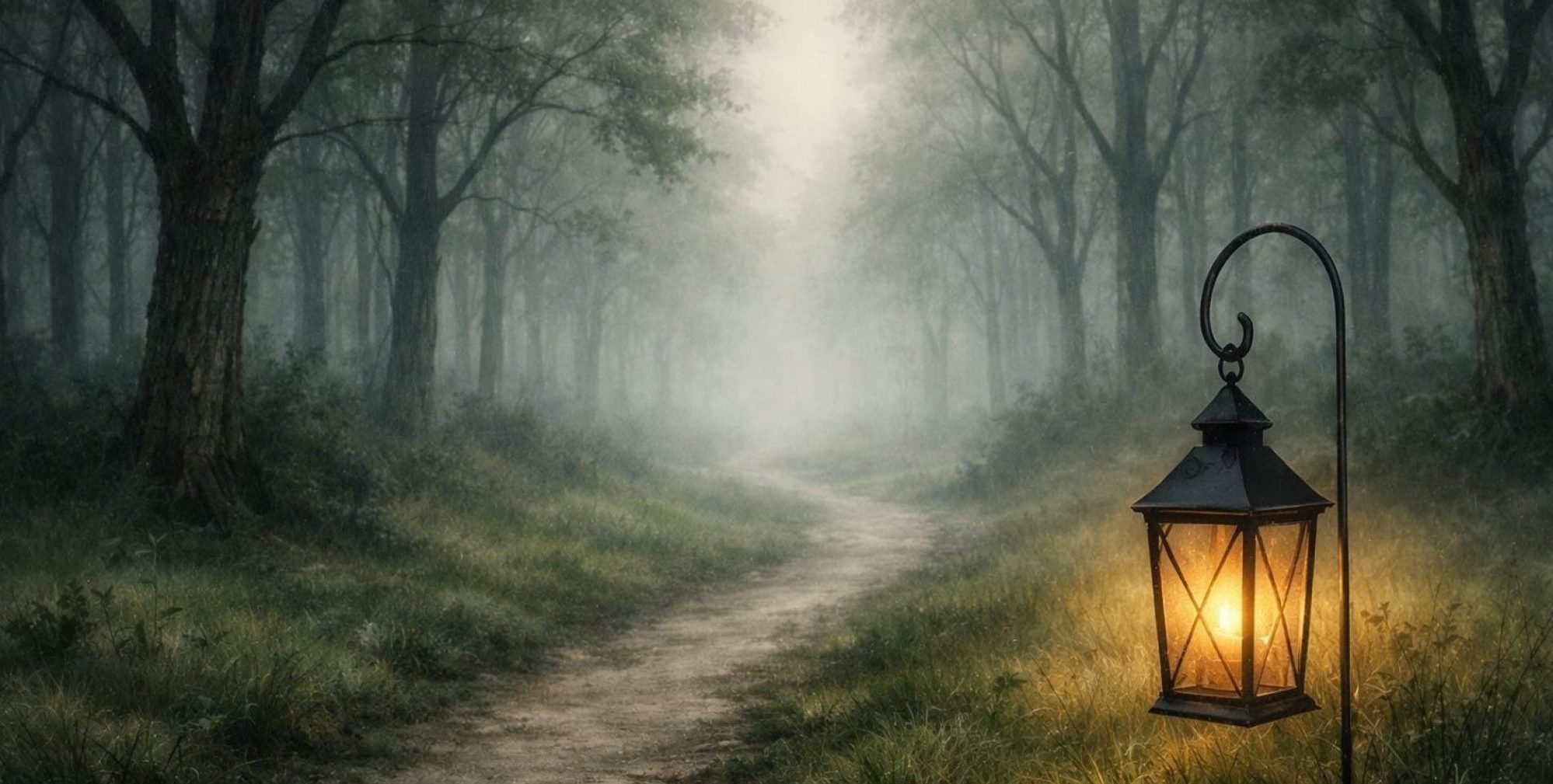
There’s something undeniably cozy about small towns. Maybe it’s the antique shops tucked along main street, the locally owned ice cream parlors that have been serving the same recipes for decades, or the way neighbors greet each other by name as they pass on the sidewalk. Historic storefronts, old brick courthouses, and quiet cafés give these places a sense of warmth and familiarity that feels almost timeless.
But small towns have another side, too. When the shops close and the streets grow quiet after dark, those same centuries-old buildings can feel a little different. In places where history runs deep and generations have lived and died within the same few blocks, stories tend to persist. And sometimes those stories come with ghostly legends attached.
Across the United States, a handful of small towns have developed stronger reputations for paranormal activity than others. Some of these were shaped by violent frontier histories or deadly mining accidents. Others witnessed Civil War battles or centuries of maritime tragedies. In many of these places, visitors and residents alike have reported footsteps in empty buildings, shadowy figures appearing in historic streets, or unexplained sounds echoing through the night.
From desert mining towns in Arizona to quiet coastal villages in New Jersey, these 10 small towns have earned reputations as some of the most haunted towns in America. Whether you believe in ghosts or simply enjoy a good story, each one offers a fascinating glimpse into the darker corners of the country’s past.
👻 Win an Eerie Escapes Box
Enter the monthly giveaway for a chance to win a curated box of travel-inspired and spooky finds.
Sleepy Hollow, New York
Theme: American folklore haunting
Few small towns in America are as closely tied to ghost stories as Sleepy Hollow. Nestled along the Hudson River about thirty miles north of New York City, the village has long been associated with eerie legends and shadowy folklore. Much of that reputation comes from Washington Irving’s 1820 tale The Legend of Sleepy Hollow, which introduced readers to the terrifying image of the Headless Horseman riding through the dark countryside in search of his lost head.
Whether the story was inspired by real events or simply Irving’s imagination, the legend has become inseparable from the town itself. The quiet roads, wooded hills, and centuries-old churchyards feel like the perfect setting for a ghost story. Visitors often remark that even on a bright afternoon the town has a faintly mysterious atmosphere.
The heart of the legend lies in Sleepy Hollow Cemetery, a sprawling 19th-century cemetery where winding paths pass beneath towering trees and historic gravestones. Just outside its gates stands the Old Dutch Church of Sleepy Hollow, one of the oldest churches in New York State and a key setting in Irving’s story. According to local lore, the Headless Horseman was a Hessian soldier who lost his head to a cannonball during the Revolutionary War and now rides through the night searching for it. Over the years, visitors and caretakers of Sleepy Hollow Cemetery have occasionally reported eerie encounters tied to the legend. Some claim to have heard the sound of galloping hooves echoing along the cemetery paths late at night when no one else was present. Others have described glimpsing a dark rider moving between the trees before suddenly disappearing into the mist that often settles over the Hudson Valley after sunset.
Today Sleepy Hollow embraces its ghostly reputation. Lantern-lit tours wind through the cemetery after dark, and autumn brings festivals and haunted events that draw visitors from across the country. Whether the Horseman still rides through the woods is anyone’s guess, but few places in America feel as steeped in supernatural legend as this quiet Hudson Valley town.
Other Notable Haunted Places
Headless Horseman Bridge Site – The location associated with the climactic chase in Washington Irving’s famous story. Though the original bridge no longer exists, the area remains one of the most atmospheric spots connected to the legend.
Philipsburg Manor – A restored colonial estate where visitors sometimes report slow, deliberate footsteps, doors shifting on their own, and figures in period clothing wandering the historic buildings.
Eerie Photo Moment
Lantern light glowing between the gravestones of Sleepy Hollow Cemetery on a misty autumn evening.
Gettysburg, Pennsylvania
Theme: Battlefield hauntings
Few small towns in America carry the weight of history quite like Gettysburg. In July 1863, the quiet Pennsylvania farming community became the site of the bloodiest battle of the Civil War. Over three days, more than 50,000 soldiers were killed, wounded, or missing, leaving the fields and hills surrounding the town forever tied to one of the nation’s most tragic moments.
With so much loss concentrated in a single place, it’s perhaps no surprise that Gettysburg has developed a reputation as one of the most haunted towns in the United States. Visitors, historians, and paranormal investigators have all reported strange experiences across the battlefield and throughout the town’s historic district. Stories range from disembodied voices and the sound of boots moving across empty ground to sightings of soldiers appearing briefly before fading into the landscape.
The sprawling grounds of Gettysburg National Military Park are the center of many of these reports. Some visitors claim to hear distant gunfire echoing across the fields at night, while others have described encounters with figures dressed in Civil War uniforms who seem to vanish when approached. One of the most frequently repeated stories involves visitors who claim to have received directions from Civil War soldiers who were not actually there. Several tourists over the years have reported asking uniformed men for help navigating the battlefield, only to later discover that no reenactors were present in that area at the time. In some accounts, the mysterious soldiers even pointed travelers toward the correct path before quietly disappearing. The town itself holds its share of ghost stories as well, particularly in historic buildings that served as hospitals or shelters during the battle.
One of the most famous haunted sites is the Farnsworth House Inn, a historic home that was reportedly struck by more than a hundred bullets during the battle. Today the building operates as an inn and restaurant, and staff and guests alike have reported unexplained noises, moving objects, and apparitions. Nearby, the Jennie Wade House honors the only civilian killed during the battle. Visitors sometimes report hearing movement in empty rooms or sensing someone standing just nearby inside the preserved home.
Whether these stories are echoes of history or simply the power of imagination, Gettysburg’s quiet streets and rolling fields still carry the atmosphere of the past. Walking through the town at dusk, it’s easy to understand why so many people believe the events of 1863 never fully left this place.
Other Notable Haunted Places
Evergreen Cemetery – Historic cemetery beside the battlefield where visitors have reported apparitions of soldiers and unexplained lights among the graves.
Soldiers’ National Cemetery – Final resting place of thousands of soldiers where visitors have reported ghostly figures and mysterious lights.
Eerie Photo Moment
The fading sunset casting long shadows across the quiet fields of Gettysburg National Military Park.
Harpers Ferry, West Virginia
Theme: Civil War and historical hauntings
Tucked between the Blue Ridge Mountains where the Potomac and Shenandoah rivers meet, Harpers Ferry is one of the most dramatically situated small towns in America. Its steep hills, narrow streets, and preserved 19th-century buildings make the historic district feel almost like a living museum. But beneath the scenic beauty lies a past filled with violence, rebellion, and war.
Harpers Ferry first entered American history in 1859 when abolitionist John Brown launched his famous raid on the federal armory here in an attempt to spark a slave uprising. Just two years later, the town became a strategic target during the Civil War and changed hands multiple times between Union and Confederate forces. Soldiers died in the surrounding mountains and streets, and many buildings in the town served as field hospitals during the fighting.
With so much conflict packed into such a small place, it’s no surprise that Harpers Ferry has developed a reputation for lingering spirits. Visitors frequently report footsteps with no visible source, hushed voices carried through the streets, and figures that vanish when approached appearing in the historic district after dark. Ghost tours regularly wind through the town’s narrow streets, sharing stories of soldiers, townspeople, and travelers who may have never truly left.
Some of the most persistent stories center on the area around Harpers Ferry Lower Town Historic District, where several 19th-century buildings remain largely unchanged from the Civil War era. One of the most famous ghost stories involves abolitionist John Brown himself. After his failed raid on the federal armory in 1859, Brown was captured in what is now known as John Brown’s Fort. Some visitors claim to have encountered a solemn, white-haired man wandering near the historic streets of town who strongly resembles Brown. In several stories, tourists even asked to take photos with him, only to discover later that the mysterious man never appeared in the picture. The nearby St. Peter’s Roman Catholic Church, perched high on a hillside overlooking the town, has also been associated with ghost sightings tied to wartime burials and battlefield deaths.
Today Harpers Ferry feels peaceful compared to its turbulent past. Yet when fog drifts through the mountain gap and the streets grow quiet after sunset, it’s easy to imagine that some of the town’s former residents might still be wandering its historic paths.
Other Notable Haunted Places
John Brown’s Fort – Site of the famous 1859 raid where some visitors believe lingering spiritual energy and unexplained sensations are tied to the town’s violent past.
Lockwood House – Historic home used as a Civil War hospital where reports include apparitions of soldiers and unexplained sounds in the quiet rooms.
Eerie Photo Moment
Morning fog drifting through the narrow streets of Lower Town as the Potomac and Shenandoah rivers meet below the surrounding mountains.
🔦👻 Download the Free Haunted America Explorer Bundle!
Six free printable downloads, including a haunted America map, locations guide, checklist, and more to help you explore America’s eeriest places.
Cape May, New Jersey
Theme: Victorian seaside hauntings
At the southern tip of New Jersey, where the Delaware Bay meets the Atlantic Ocean, Cape May looks like something from another century. Colorful Victorian houses line quiet streets, horse-drawn carriages roll past historic inns, and the salty ocean air drifts through the town’s carefully preserved historic district. Often called one of the best-preserved Victorian towns in America, Cape May feels almost frozen in time.
But the town’s long history has also given rise to an unusual number of ghost stories. Cape May flourished as a seaside resort during the late 1800s, drawing wealthy visitors from Philadelphia and New York who came for ocean breezes and summer holidays. Over the decades, tragedies along the coast, from shipwrecks and drownings to fires and personal misfortune, became woven into the town’s folklore. Today many locals believe the spirits of former guests and residents still linger inside Cape May’s historic hotels and mansions.
Several of the town’s most famous hauntings are tied to its grand Victorian inns. Visitors to the Inn of Cape May have reported sightings of a mysterious figure known as the “Lady in Blue,” believed to be connected to a tragic drowning in the early days of the hotel. At the elegant Southern Mansion, guests and paranormal investigators have described unexplained activity linked to former residents of the stately estate. Along the beachfront, Hotel Macomber is said to be watched over by the spirit of a former innkeeper who never quite left her post.
Today Cape May remains a charming coastal getaway known for its beaches, historic architecture, and relaxed atmosphere. Yet once the sun sets and the quiet streets glow under lantern light, the town’s Victorian past seems especially close—and some visitors wonder if a few of its former guests have simply chosen never to leave.
Other Notable Haunted Places
Congress Hall – One of the oldest seaside resorts in America, where staff and guests have reported late-night footsteps in empty corridors and glimpses of figures in period dress.
Eerie Photo Moment
Soft lantern light glowing along a quiet Victorian street as colorful historic houses fade into the cool ocean mist after sunset.
Atchison, Kansas
Theme: America’s most famous haunted house
Overlooking the Missouri River about an hour north of Kansas City, Atchison is a quiet Midwestern town filled with steep hills, brick streets, and grand Victorian homes. At first glance it feels like many historic river towns across the region, but Atchison has developed a reputation as one of the most haunted towns in Kansas. In fact, locals sometimes claim it may be the most haunted town in the entire state.
Much of that reputation centers on one small house that has become famous among paranormal investigators. In the early 1990s, a young family living in the modest brick home reported terrifying activity inside the house, including unexplained scratches, moving objects, and a presence that seemed to target male residents in particular. Their experiences drew national attention and transformed the house into one of the most infamous hauntings in the United States.
That building is the Sallie House, where the spirit of a young girl named Sallie is said to linger. According to local legend, Sallie died during an emergency surgery performed by a doctor who once lived in the house. Visitors and investigators have reported strange voices, objects moving on their own, and an unsettling energy that seems strongest in the basement and upstairs bedroom.
But the Sallie House is only one piece of Atchison’s ghostly reputation. The town’s historic district is filled with towering Victorian mansions, many of which have their own paranormal stories. One of the most famous is the McInteer Villa, a massive 19th-century mansion where visitors have reported hearing footsteps and seeing a rocking chair move on its own.
Today, Atchison embraces its haunted identity. Ghost tours guide visitors through the town’s historic neighborhoods, sharing stories of restless spirits and unexplained encounters. Whether those stories are legend or something more mysterious, the town’s quiet streets and historic homes make it easy to imagine that some of its former residents might still be lingering nearby.
Other Notable Haunted Places
RavenHearse Manor – Gothic Victorian mansion associated with paranormal investigations and sightings of a lingering spirit.
Santa Fe Depot – Historic railway depot linked to the ghostly legend of a railroad worker whose spirit is said to still roam the building.
Eerie Photo Moment
The towering Victorian silhouette of the McInteer Villa rising above the quiet hillside streets as twilight settles over the Missouri River valley.
Eureka Springs, Arkansas
Theme: America’s most haunted hotel
Tucked deep into the wooded hills of the Ozark Mountains, Eureka Springs feels like a town from another era. The entire historic district clings to steep hillsides, with winding streets, staircases, and preserved Victorian buildings that seem to emerge directly from the forest. Founded in the late 1800s as a health resort town, Eureka Springs grew rapidly after rumors spread that its natural springs possessed miraculous healing powers.
Visitors flocked here seeking cures, and grand hotels and hospitals quickly appeared across the hills. While the springs eventually lost their reputation for healing, the town itself never lost its sense of mystery. Over time, Eureka Springs developed a reputation as one of the most haunted towns in the Ozarks.
Much of that reputation centers on the legendary Crescent Hotel, often called “America’s Most Haunted Hotel.” Built in 1886, the massive stone hotel has served as a resort, a girls’ college, and even a controversial cancer hospital run by a man later exposed as a fraud. Guests and staff have long reported paranormal experiences throughout the building, including footsteps echoing through empty hallways, doors opening on their own, and figures appearing briefly in guest rooms. One of the hotel’s most famous spirits is known simply as Michael. According to local legend, Michael was an Irish stonemason who fell to his death during construction of the Crescent Hotel in the 1880s. His spirit is said to linger near Room 218, where guests have reported doors slamming, strange tapping sounds, and even the unsettling feeling of someone brushing past them in an otherwise empty room.
Another well-known site is the Basin Park Hotel, a historic downtown hotel where visitors have described hearing mysterious noises, objects moving, and the presence of unseen guests. Nearby cemeteries and historic buildings throughout the town have their own ghost stories as well, adding to Eureka Springs’ reputation as a paranormal hotspot.
Today the town embraces its haunted identity. Ghost tours wind through narrow streets and historic staircases after dark, sharing stories of the town’s colorful past and the spirits that may still linger here. With its steep hills, Victorian architecture, and lantern-lit streets, Eureka Springs feels like the perfect setting for a ghost story.
Other Notable Haunted Places
Eureka Springs Historic District – Several preserved Victorian buildings and winding staircases downtown are associated with reports of footsteps, voices, and unexplained activity after dark.
Eureka Springs Cemetery – Historic hillside cemetery where visitors have reported dim lights flickering among the graves and indistinct shapes lingering near the headstones, and an eerie atmosphere tied to the town’s early residents.
Eerie Photo Moment
The massive stone façade of the Crescent Hotel glowing against the dark Ozark hills as lanterns illuminate the winding hillside streets below.
Jerome, Arizona
Theme: Wild West mining ghosts
High on the steep slopes of Cleopatra Hill above the Verde Valley sits Jerome, a town that quite literally clings to the mountainside. Narrow streets wind past historic buildings that seem stacked one on top of another, all overlooking the wide desert valley below. Today Jerome is a small artsy community, but in the late 1800s it was one of the largest and roughest mining towns in the American West.
At its peak, Jerome was a booming copper town filled with miners, saloons, gambling halls, and boarding houses. Life here was dangerous. Mining accidents were common, fires swept through the town more than once, and violence in the frontier boomtown earned Jerome the nickname “The Wickedest Town in the West.” When the mines eventually closed in the mid-20th century, much of the population left and the town nearly became a ghost town in the literal sense.
Many locals believe some of the miners, patients, and workers connected to Jerome’s turbulent past never truly left.
One of the most famous haunted locations is the Jerome Grand Hotel, a massive building that once operated as the town’s hospital. During the mining era, injured miners were frequently brought here, and many died inside its walls. Guests today report hearing footsteps in empty hallways, doors opening on their own, and even seeing shadowy figures moving through the corridors late at night. One of the hotel’s most enduring ghost stories centers on Claude Harvey, a maintenance worker who died under mysterious circumstances in 1935. Harvey’s body was discovered in the basement pinned beneath the elevator, but investigators never determined exactly how the accident occurred. Today some guests believe his spirit still lingers in the building, particularly near the elevator shaft and lower floors where strange noises and unexplained activity are sometimes reported.
Elsewhere in town, the old Connor Hotel site is said to be haunted by spirits connected to the building that once stood there. Other historic buildings across the hillside town, including former boarding houses and mining-era structures, have also developed their own ghost stories tied to Jerome’s turbulent past.
Today Jerome welcomes visitors with art galleries, historic saloons, and sweeping desert views. Yet when the sun sets and the narrow streets grow quiet, the town’s turbulent mining past seems especially close, and many believe the spirits of Jerome’s wild frontier days still linger in its hillside buildings.
Other Notable Haunted Places
United Verde Hospital Ruins – Remains of the old mining hospital where injured miners were once treated, now associated with ghost stories tied to the many deaths during Jerome’s boomtown years.
Mile High Inn – Former brothel building connected to reports of strange noises, moving objects, and unexplained activity linked to Jerome’s Wild West past.
Eerie Photo Moment
The lights of the Jerome Grand Hotel shining high above the valley as the last colors of sunset fade across the desert landscape.
Bisbee, Arizona
Theme: Mining town hauntings
Tucked into the Mule Mountains near the Mexican border, Bisbee is one of the most unusual towns in the American Southwest. Colorful historic buildings climb the steep hillsides, staircases connect narrow streets, and old mining structures still dot the surrounding landscape. Like many boomtowns of the late 19th century, Bisbee grew rapidly when copper was discovered in the region.
At its peak in the early 1900s, Bisbee was one of the richest mining towns in the United States. Thousands of miners worked deep underground in the surrounding mountains, and the town’s streets were filled with saloons, boarding houses, and bustling businesses. But mining life was dangerous. Accidents underground, labor conflicts, and the rough atmosphere of a frontier boomtown left behind a long history of tragedy.
Over time, those stories turned into ghost legends.
The most famous haunted location in town is the historic Copper Queen Hotel, built in 1902 during the height of the mining boom. Guests and employees have reported a wide range of paranormal experiences here, including footsteps with no clear source, flickering lights, and recurring sightings of resident spirits said to inhabit the building. Among the most famous are a playful child spirit and a former woman of the night who allegedly appears in guest rooms.
Another site tied to local ghost stories is the Oliver House, a historic boarding house that once hosted miners and travelers. Visitors have reported strange noises, shadowy figures, and unexplained disturbances inside the building. Throughout Bisbee’s historic district, other hotels, saloons, and staircases have their own stories connected to the town’s turbulent past.
Today Bisbee has transformed into a vibrant arts community filled with galleries, cafés, and historic architecture. Yet the town’s mining history remains everywhere you look, from the massive open pit of the old copper mine to the preserved buildings along Main Street. For many visitors, it’s easy to imagine that some of the miners and residents who once filled the town may still be wandering its streets long after the mines fell silent.
Other Notable Haunted Places
Bisbee Grand Hotel – Historic hotel in the heart of Old Bisbee where guests and staff have described late-night footsteps, distant voices, and figures glimpsed briefly in hallways.
Bisbee Mining & Historical Museum – Museum located in a former mining company building where some visitors report strange sounds and lingering spirits tied to the town’s early mining history.
Eerie Photo Moment
Colorful historic buildings climbing the steep hillsides of Old Bisbee as evening shadows settle across the narrow stairways and winding streets.
Virginia City, Nevada
Theme: Old West saloon hauntings
High in the mountains east of Reno sits Virginia City, a town that looks almost exactly as it did during the Wild West. Wooden boardwalks line the streets, historic saloons still serve drinks beneath swinging doors, and the surrounding hills are dotted with the remnants of the mines that once made the town famous.
Virginia City exploded into existence in 1859 after the discovery of the Comstock Lode, one of the richest silver deposits ever found in North America. Almost overnight the quiet Nevada hills were transformed into a booming mining town filled with prospectors, gamblers, entertainers, and fortune seekers from around the world. With wealth came chaos. Mining accidents, gunfights, fires, and disease were common in the crowded boomtown.
Over the years, those turbulent events have given Virginia City a reputation as one of the most haunted towns in the American West.
One of the most notorious haunted locations is the historic Washoe Club, a former gentlemen’s club that once hosted miners, politicians, and wealthy investors. The building has been the subject of numerous paranormal investigations, with reports of dark silhouettes, voices heard in empty rooms, and objects moving on their own.
Another famous site is the Silver Queen Hotel, where guests have reported strange footsteps, cold spots, and sightings of a ghostly woman believed to be connected to the town’s rough frontier past. Nearby, Piper’s Opera House—once the cultural center of the booming mining town—has also been linked to ghost sightings in its historic theater space.
Today Virginia City’s preserved streets and buildings make it feel like a living time capsule of the Old West. During the day visitors explore museums, historic saloons, and mine tours, but after dark the quiet wooden sidewalks and lantern-lit streets take on a different atmosphere. For many travelers, it’s easy to believe that some of the miners and gamblers who once filled these saloons may never have truly left.
Other Notable Haunted Places
Mackay Mansion – Historic Victorian mansion associated with ghost sightings, figures seen lingering in dimly lit rooms, and stories that its wealthy owner made a deal with dark forces.
Eerie Photo Moment
Historic wooden boardwalks and old saloon façades lining Virginia City’s main street as lantern light flickers beneath the dark mountain sky.
Port Gamble, Washington
Theme: Haunted company town
On the quiet shores of Washington’s Kitsap Peninsula sits Port Gamble, a town that feels almost perfectly preserved from the 19th century. White wooden buildings line a single main street overlooking the water, and the surrounding forests stretch for miles in every direction. Founded in 1853 as a lumber company town, Port Gamble was built to house workers from one of the largest sawmills on the West Coast.
Unlike many boomtowns of its era, Port Gamble never grew into a large city. Instead, it remained a tightly knit company town where generations of mill workers lived and worked in the same small community. When the mill eventually closed in the 1990s, much of the historic town remained intact, leaving behind one of the best-preserved 19th-century company towns in the United States.
With that long and layered history, it’s perhaps no surprise that Port Gamble has developed a reputation for paranormal activity. Locals and visitors alike have reported strange occurrences in several of the town’s historic buildings, and the quiet streets often take on an eerie atmosphere once the fog rolls in from the bay.
One of the most well-known haunted sites in town is the Walker-Ames House, a grand Victorian mansion that once belonged to the family who ran the lumber company. Paranormal investigators have reported unexplained noises, moving objects, and sightings of figures seen moving through otherwise empty rooms. The house is also associated with one of Port Gamble’s most famous apparitions. Visitors and investigators have described seeing a woman with long brown hair wearing a powder-blue dress standing silently inside the home before disappearing moments later. The identity of the woman remains unknown, but sightings of the figure have become one of the most frequently repeated ghost stories in the town.
Another location tied to local ghost stories is the Port Gamble Historic Inn, where guests have reported footsteps, voices, and other unexplained activity late at night. Even the town’s historic cemetery, perched on a hillside above the harbor, has its share of local legends connected to former residents who may still linger nearby.
Today Port Gamble remains a peaceful coastal town known for its historic architecture, scenic harbor views, and nearby forest trails. Yet when evening fog drifts across the bay and the old buildings grow quiet, it’s easy to imagine that some of the workers and families who once called this company town home might still be watching over it.
Other Notable Haunted Places
St. Paul’s Church – Historic 19th-century church overlooking the harbor where visitors sometimes report whispers, strange lights, and an eerie presence near the surrounding cemetery.
Eerie Photo Moment
Morning fog rolling across the quiet harbor as the white wooden buildings of Port Gamble emerge slowly from the mist.
Final Thoughts
From battlefield towns and Wild West mining camps to quiet seaside resorts and Victorian neighborhoods, these small communities prove that some of America’s most chilling stories are found far from its largest cities. In places where history is deeply rooted and generations have lived within the same streets and buildings, the past often feels especially close.
Whether you’re staying in a historic hotel, walking through an old cemetery at dusk, or joining a lantern-lit ghost tour through town, these destinations offer more than just a good scare. They provide a chance to step into the stories and legends that have shaped these places for generations.
And if you listen carefully while wandering their quiet streets after dark, you might just hear a whisper from the past reminding you that some stories never truly end.
🕯️ Love exploring the eerie? Join the Eerie Dispatches newsletter for atmospheric, cozy-creepy, immersive stories about horror and true crime topics. We’re drawn to the mysterious, the unexplained, and the darkly fascinating. Come explore with us.